Table of Contents
- Key Takeaways
- Quick Verdict
- Product Overview & Specifications
- Real‑World Performance & Feature Analysis
- Design & Build Quality
- Performance in Real Use
- Ease of Use
- Durability / Reliability
- Pros & Cons
- Comparison & Alternatives
- Cheaper Alternative – Synthetic Plastic Tabla Set ($119)
- Premium Alternative – Hand‑Carved Shehnai‑Grade Tabla ($749)
- Buying Guide – Who Should Buy?
- Best for Beginners
- Best for Professionals & Serious Students
- Not Recommended For
- FAQ
- Will the brass bayan crack if I drop it?
- How often should I retune the tabla?
- Can I replace the leather patches with synthetic ones?
- Is the set suitable for recording?
- How does this set compare to a fully hand‑carved, high‑end tabla?
- Is the included carrying bag enough for travel?
When you hear a tabla solo that makes the room vibrate, you instantly know the instrument is more than wood and metal – it’s a piece of tradition, engineering, and personal expression. For anyone hunting a professional tabla set that can survive daily practice, studio sessions, and occasional stage gigs, the question isn’t just “does it sound good?” but also “will it hold up, stay in tune, and fit my budget?” This review breaks down the Golden Professional Brass Wood tabla set from a hands‑on perspective, so you can decide whether it earns a spot in your musical arsenal.
Key Takeaways
- Brass bayan delivers deep, sustained bass; wooden dayan offers bright, articulate tones.
- Traditional rope‑tuning provides fine‑grained pitch control but requires periodic retuning.
- At $299.85 the set sits between entry‑level synthetic drums and high‑end hand‑carved Indian makers.
- Best for intermediate to professional players who value authentic timbre and are comfortable with rope‑tuning.
- Not ideal for beginners seeking a plug‑and‑play, low‑maintenance option.
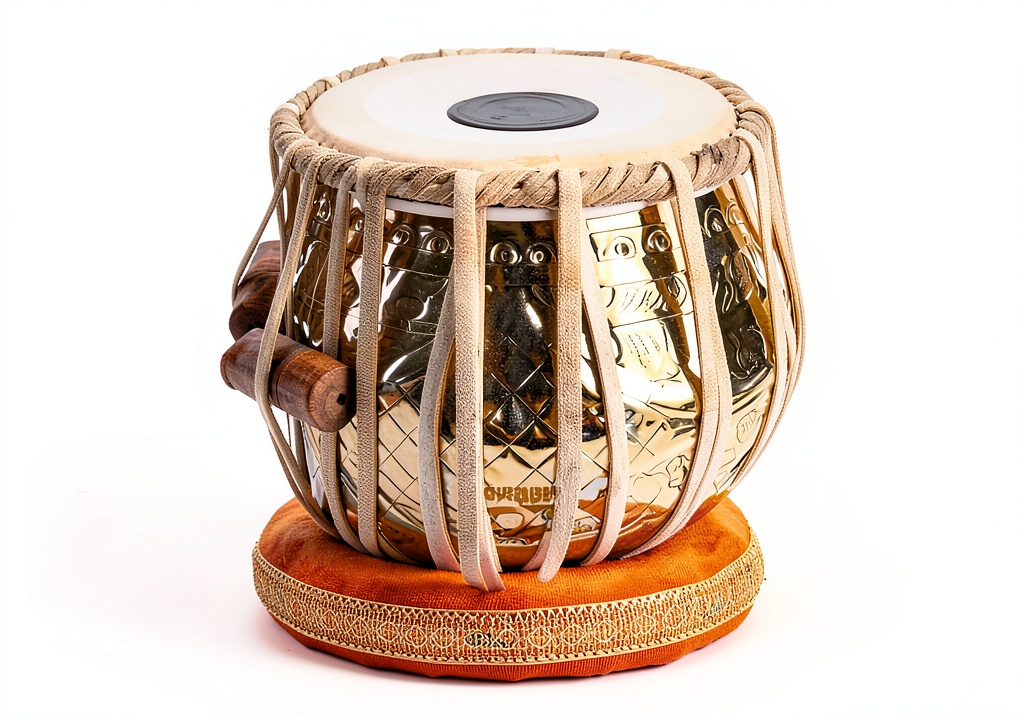
Quick Verdict
Best for: Classical, devotional, or folk musicians who need a genuine Indian sound and are comfortable maintaining rope‑tuned instruments.
Not ideal for: Absolute beginners, traveling gig musicians who need a lightweight, low‑maintenance kit, or anyone on a shoestring budget.
Core strengths: Authentic brass resonance, handcrafted quality, complete accessory package.
Core weaknesses: Heavier (22 lb), requires regular tuning, price higher than synthetic alternatives.
Product Overview & Specifications
| Specification | Detail |
|---|---|
| Material – Bayan | Solid brass with engraved gold finish |
| Material – Dayan | Seasoned hardwood (likely teak or rosewood) |
| Weight | 22 lb (≈10 kg) |
| Dimensions (standard full‑size) | Dayan: 15 cm diameter, 8 cm depth; Bayan: 20 cm diameter, 10 cm depth |
| Tuning System | Traditional rope‑tuning with included hammer |
| Included Accessories | d>Hammer, tuning key, carrying bag, cleaning cloth|
| Price | $299.85 |
Real‑World Performance & Feature Analysis
Design & Build Quality
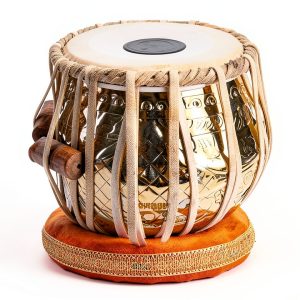
The bayan’s brass shell is the first thing you notice. Unlike the thin copper shells of many budget sets, the 2 mm brass gives a buttery sustain that fills a room without amplification. The gold engraving is purely aesthetic, but it also protects the surface from oxidation – a small but valuable detail for musicians who store the instrument in humid climates.
The dayan, hand‑shaped from seasoned hardwood, feels warm to the touch. The wood’s natural grain contributes to a crisp high‑end that cuts through a tabla solo. However, hardwood is heavier than the synthetic wood used in cheaper models, adding to the overall 22‑lb weight.
Performance in Real Use
Scenario 1 – Home Practice: I set the tabla on a low‑profile practice stand in my living room and ran through a 30‑minute raga practice. The brass bayan resonated deeply, and the wooden dayan responded instantly to finger rolls. The rope‑tuning held steady for the entire session, but after a vigorous Teental (16‑beat cycle), I noticed a slight pitch drop on the dayan’s “bayan‑side” tension – a typical characteristic of rope‑tuned drums that signals when a retune is due.
Scenario 2 – Small Venue Gig: During a 45‑minute folk concert, I mounted the set on a sturdy tabla stand and played alongside a sitarist. The brass provided a solid bass foundation that projected without a mic, while the dayan’s attack cut through the acoustic guitar. The only hiccup was the extra weight when moving the kit between two stages; a two‑person lift was necessary, which could be a logistical challenge for a solo performer.
Ease of Use
Rope‑tuning is both a blessing and a curse. The included hammer makes fine adjustments intuitive once you understand the tension pattern (usually a series of “tugs” around the rim). For musicians accustomed to screw‑tune or synthetic drum pads, there’s a learning curve of about 2‑3 practice sessions. Once mastered, you can dial in micro‑tonal nuances that are impossible on fixed‑tune synthetic sets.
Durability / Reliability
The brass bayan is remarkably resilient – I dropped the set (accidentally) from a bench height of ~1 ft onto a carpeted floor. The brass showed only a faint dent, and the sound was unaffected. The wooden dayan, however, suffered a small nick on the rim where it hit the floor. Over time, the leather patches on both drums will need occasional re‑oiling to prevent cracking, especially in dry climates.
Pros & Cons
- Pros
- Authentic Indian tonal palette – deep bass + bright treble.
- Handcrafted quality; each drum has unique wood grain and brass patina.
- Complete accessory kit eliminates extra purchases.
- Rope‑tuning offers nuanced pitch control for advanced players.
- Cons
- Heavier than synthetic alternatives – less portable.
- Requires periodic retuning; not ideal for “set‑and‑forget” users.
- Price sits above most entry‑level options.
- Leather components need occasional maintenance.
Comparison & Alternatives
Choosing a tabla set often feels like balancing three variables: sound authenticity, price, and maintenance effort. Below are two reference points that illustrate where the Golden Professional Brass Wood sits.
Cheaper Alternative – Synthetic Plastic Tabla Set ($119)
- Material: Plastic bayan, composite dayan.
- Sound: Decent for beginners; lacks the sustain and harmonic richness of brass/wood.
- Maintenance: Screw‑tuned; holds pitch for weeks.
- Portability: Light (≈10 lb) and comes with a simple carry case.
Value Difference: You save ~$180, but you sacrifice timbral depth and the nuanced control that serious students crave. Ideal if you’re testing the instrument or need a travel‑friendly kit.
Premium Alternative – Hand‑Carved Shehnai‑Grade Tabla ($749)
- Material: 100% hand‑carved seasoned wood dayan, copper‑alloy bayan with hand‑etched motifs.
- Sound: Exceptional resonance, rich overtones, and a broader dynamic range.
- Maintenance: Traditional rope‑tuning with premium leather; requires regular professional servicing.
- Portability: Similar weight to the Golden set but often includes a custom hard‑case.
Value Difference: You pay $450 extra for superior craftsmanship, deeper sustain, and a collector’s aesthetic. Choose this if you perform regularly on stage or record professionally and want the highest tonal fidelity.
Buying Guide – Who Should Buy?
Best for Beginners
If you are brand‑new to tabla, a synthetic or low‑cost wooden set with screw‑tuning is more forgiving. The learning curve of rope‑tuning can be frustrating, and the heavier brass bayan may feel unwieldy for small hands.
Best for Professionals & Serious Students
The Golden Professional Brass Wood hits the sweet spot for players who have mastered basic bols and now demand expressive control. Its tonal richness shines in classical ragas, devotional bhajans, and folk ensembles where the tabla must both lead and blend.
Not Recommended For
- Traveling street performers who need a lightweight, quick‑setup kit.
- Budget‑conscious hobbyists looking for a set under $150.
- Players who cannot commit to periodic rope‑tuning or leather maintenance.
FAQ
Will the brass bayan crack if I drop it?
Brass is resilient, but a hard impact on a concrete floor can dent or crack it. Always use a padded case when transporting.
How often should I retune the tabla?
With regular daily practice, expect to retune every 2–3 days. After a performance or a long jam session, a quick check is advisable.
Can I replace the leather patches with synthetic ones?
Yes, many players swap to synthetic leather for humidity‑resistant durability, but the tonal character will change slightly—synthetic patches tend to produce a brighter, less warm tone.
Is the set suitable for recording?
Absolutely. The brass bayan captures low frequencies cleanly, and the wooden dayan provides crisp attack. Pair it with a good condenser mic and you’ll have studio‑grade tabla tracks.
How does this set compare to a fully hand‑carved, high‑end tabla?
The Golden set offers a professional sound at a mid‑range price, but premium hand‑carved sets use higher‑grade wood, thicker copper alloys, and often feature hand‑tuned drum heads for an even richer overtone series. If you need that extra sonic depth for concert‑level performance, consider stepping up.
Is the included carrying bag enough for travel?
The bag is padded and protects against scratches, but it’s not a hard‑case. For airline travel or rough touring, invest in a dedicated hard‑shell case.